Uxbridge Broadway rubbish collection guide for traders
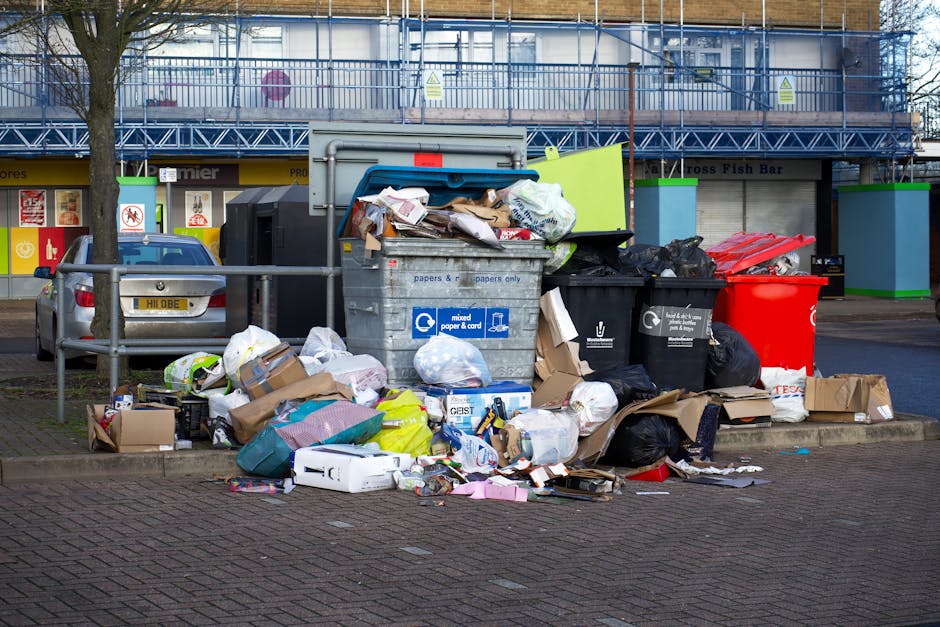
If you trade on or near Uxbridge Broadway, rubbish has a habit of building up faster than you expect. A couple of delivery boxes here, a broken display unit there, a bag of food packaging, a bit of packaging from stock, and suddenly the back of the shop looks like a storage cupboard nobody wants to open. This Uxbridge Broadway rubbish collection guide for traders is written for exactly that reality: busy businesses that need a practical, tidy, and reliable way to deal with waste without slowing down the working day.
Whether you run a retail unit, cafe, salon, small office, or a trade counter with stock coming in and out all week, the goal is the same. Keep the premises safe, keep customers happy, and get rid of waste in a way that makes sense for the business. That sounds simple. In practice, it often isn't. So let's break it down properly, in plain English, with the kind of detail that helps you make a decent decision first time.
Why Uxbridge Broadway rubbish collection for traders matters
For traders, waste is not just an eyesore. It affects how the business feels the moment someone walks in. A tidy frontage suggests care. A cluttered alley or overflowing bin area suggests stress, and customers notice that more than we sometimes like to admit. Staff notice it too. If they are stepping around packaging, old fittings, or mixed rubbish every morning, that affects morale and, eventually, efficiency.
On a busy stretch like Uxbridge Broadway, timing matters as much as tidiness. Deliveries arrive, customers come and go, and storage space is usually tight. A good rubbish collection plan helps you avoid the awkward "we'll deal with it later" pile-up. And later, as you know, tends to be the very next week.
There is also the local practical side. Traders need a waste solution that fits around opening hours, loading access, shared lanes, and the realities of a working high street. That is where a well-organised collection service becomes more than a convenience. It becomes part of running the business properly.
Expert summary: If your business creates regular waste, the right collection routine saves time, reduces risk, and helps your premises stay presentable. The best setup is usually the one your staff will actually use consistently.
For businesses that also need broader clearance support, it can help to understand the difference between general rubbish pickup and more specific services such as business waste removal or waste removal. That distinction matters when you are deciding what to book and how often.
How Uxbridge Broadway rubbish collection for traders works
In practical terms, trader rubbish collection is about removing business waste from your premises in a way that is safe, timely, and suitable for commercial use. The exact process depends on what kind of waste you produce and how much of it builds up. A boutique with mainly cardboard and packaging will need something different from a cafe dealing with food waste, broken chairs, and delivery crates. No surprise there.
Usually, the process starts with a quick assessment of what needs to go. That might include loose bags, heavier items, dismantled fittings, old stock, furniture, or mixed general waste. If the site has access issues, you'll want to make that clear early. Narrow stairways, basement storage, rear access only, or limited parking can all affect how a collection is planned.
From there, a collection is scheduled around your business hours and access needs. For some traders, that means early morning before opening. For others, it is a quieter slot after close. The main thing is that the collection should not interfere with customers, staff flow, or neighbouring businesses. In a place like Uxbridge Broadway, that bit is not minor.
Collections often work best when waste is separated in a sensible way: cardboard apart from mixed rubbish, reusable items separated from disposal items, and hazardous or specialist waste flagged well in advance if relevant. That makes the job quicker and, in many cases, more cost-efficient too.
If you are dealing with office-style waste alongside retail debris, it may be worth looking at office clearance for surplus desks, chairs, filing units, and other workspace items. A lot of traders blend shop floor, stockroom, and admin space, so the right solution is often a mix rather than a single tidy category.
Key benefits and practical advantages
The main benefit is obvious: less mess. But once you look at the day-to-day reality, there are several more useful gains.
- Better presentation: Customers are more likely to trust a business that looks organised from the pavement to the back room.
- Safer working conditions: Fewer trip hazards, fewer blocked exits, and less clutter around staff-only areas.
- More usable space: Every square metre matters on a busy high street. Waste should not be renting space for free.
- Less staff stress: Nobody enjoys being the person tasked with shifting old packaging or wrestling with a broken unit at closing time.
- More predictable operations: Regular collection keeps rubbish from becoming an emergency problem.
- Cleaner compliance habits: Good waste handling supports a more professional approach to business responsibilities.
There is also a less obvious benefit: waste planning sharpens how a business works. When traders start noticing what gets thrown away, they often spot habits that can be improved. Maybe packaging is over-ordered. Maybe stock arrives in bulk on the wrong day. Maybe the shop's back room has become a temporary graveyard for things that should have gone weeks ago. Happens all the time.
For businesses with furniture or fixtures to move on, pairing collection with furniture disposal or furniture clearance can be a cleaner, simpler route than trying to manage awkward items separately. That can matter when a trading unit is being refreshed, re-fitted, or downsized.
Who this is for and when it makes sense
This guide is aimed at traders who produce ongoing or occasional commercial waste and want a straightforward way to keep on top of it. That includes a wide mix of businesses, not just one type of shop or office.
- Retail traders with packaging, damaged stock, and display waste
- Cafes, takeaways, and food businesses with mixed rubbish and disposable materials
- Salons, barbers, and treatment rooms replacing chairs, units, or consumables
- Small offices and service businesses clearing paper, furniture, and archived items
- Independent trades and installers storing site offcuts, packaging, and old materials
- Landlords or managing agents dealing with shop or unit turnover
It also makes sense when you are facing one of those in-between situations. The shop is open, but there is a back room full of broken shelving. The office has not moved, but the filing cabinet situation has gone from "messy" to "seriously, what is all this?" Or perhaps you are preparing for a refit and need a reliable way to clear the old stuff quickly. Those are the moments where a trader waste plan pays off.
If the waste is tied to a property change or larger clear-out, you may also find it useful to look at builders waste clearance for renovation debris or flat clearance where mixed items need a more complete removal approach. Not every business mess is neatly business-only, to be fair.
Step-by-step guidance
If you want to handle rubbish collection properly rather than just react when the bins are full, use this simple process.
- Walk the premises honestly. Look at the stockroom, rear yard, service area, and any place where waste tends to pile up. Be ruthless. The half-broken display shelf probably isn't coming back into fashion.
- Sort the waste into types. Separate cardboard, general waste, bulky items, and any items that need special attention. The clearer the sort, the easier the job.
- Decide what needs collecting now. Not everything has to leave in one go. Prioritise the items creating risk, blocking space, or damaging presentation.
- Measure access problems. Note narrow doors, stairs, loading restrictions, rear entrances, or limited parking. Small details can make a big difference on collection day.
- Choose a collection window. Pick a time that suits customers and staff. Early starts or after-hours are often best for traders on a busy road.
- Arrange documentation or account details if needed. For business waste, keep records and service terms clear. It reduces confusion later.
- Prepare the waste for removal. Place it in one area if possible. If the collection team can move in and out efficiently, you save time and hassle.
- Review what happened afterwards. Ask yourself: did the collection fit the business well? Did waste build up too fast? Would a more regular schedule be better?
This is the point where many traders realise they need a more structured routine. One-off clearance is helpful, but if the same waste issue keeps coming back, the fix is not heroic effort on a Friday evening. It is a better system.
Expert tips for better results
In our experience, the smoothest rubbish collections happen when the business has already made a few smart decisions before the collection team even arrives.
Keep a "waste home" on site
Pick one clear place for rubbish to gather temporarily. It could be a rear corner, a stockroom bay, or a designated outdoor area. If waste spreads everywhere, it takes longer to sort, and staff start working around it. That's when frustration creeps in.
Label the awkward items
If there is anything heavy, sharp, or oddly shaped, label it or note it in advance. A quick label can save a surprising amount of time and prevent guesswork on site. Simple, but effective.
Don't mix reusable stock with waste
It sounds obvious, but in busy premises, perfectly usable items can get dragged into the disposal pile by accident. That can be costly. A quick second check before collection is worth it.
Think in terms of routines, not emergencies
A monthly or fortnightly rhythm often works better than a "we'll see when it gets bad" approach. Waste management gets easier when it becomes part of the working week, not a crisis at the end of it.
Use the quieter hours
Trade units and shopfronts are often more manageable early in the day. Fewer people around means less disruption, and the collection feels cleaner and calmer. You know the kind of morning: a bit grey, shutters half-open, kettle still on. That sort of hour.
For businesses with a wider clearance need, reviewing pricing and quotes before booking can help you match the job to the budget, rather than guessing and hoping for the best. That is generally a better plan.
Common mistakes to avoid
The biggest waste-management mistakes are rarely dramatic. They are usually small, repeated, and easy to overlook.
- Leaving waste until it becomes a blockage. Once it starts affecting access, everyone feels it.
- Assuming all rubbish is the same. Different materials and item types may need different handling.
- Forgetting about access. A collection can be perfectly organised on paper and still go sideways if no one can get to the items.
- Not separating bulky items from loose waste. Mixed piles take longer to clear and are more awkward to move.
- Ignoring the back of house area. Frontage gets attention; the rear often becomes the trouble spot.
- Booking at the wrong time. A collection during the busiest hour of the day can create unnecessary stress.
Another common issue? Overconfidence. A trader thinks, "It's just a few bags and one old unit." Then the team starts pulling items out from behind the counter and, well, the pile appears to have grown a bit overnight. Funny how that happens.
Tools, resources and recommendations
You do not need a complicated setup to manage trade rubbish well, but a few practical tools can make life easier.
- Heavy-duty sacks or bins: Useful for keeping general waste contained and easier to move.
- Cardboard boxes or cages: Helpful if packaging is the main issue and you need a tidy interim solution.
- Clear labels: Good for separating items that need to stay, be reused, or be collected.
- Measuring tape: Slightly unglamorous, yes, but useful for awkward furniture or equipment.
- Simple site notes: A one-line note about access, parking, or opening hours can prevent confusion.
For traders dealing with old outdoor materials, mixed storage, or seasonal stock, broader clearance categories can also be useful. For example, garage clearance can be a practical fit for business storage units, while loft clearance may help if you are clearing upper storage areas above a unit or office space.
And if you want reassurance around standards and business care, it is worth reviewing pages such as health and safety policy, insurance and safety, and recycling and sustainability. They give a sense of how a responsible service should approach risk, materials, and disposal habits.
Law, compliance, standards and best practice
For traders, waste handling is not just a housekeeping issue. It sits within wider business responsibilities around safety, storage, presentation, and lawful disposal. The exact legal duties can vary depending on the waste type and the business activity, so it is wise to stay cautious rather than making assumptions.
As a practical rule, business waste should be handled in a way that avoids nuisance, unsafe stacking, blocked exits, and contamination of other materials. If your trade waste includes anything unusual, sharp, heavy, oily, wet, or potentially hazardous, you should treat it with extra care and make the nature of the waste clear before collection.
Best practice usually means:
- keeping waste stored securely and accessibly
- separating materials where sensible
- avoiding overfilled areas that create slip or trip risks
- using a service that explains what it will and will not take
- retaining records or confirmation where your business needs them
For traders, this is not about becoming waste experts. It is about not creating avoidable problems. There is a lot to be said for boring, tidy compliance. Boring is underrated.
When choosing a provider, look for clarity in terms and payment handling too. That is where pages like terms and conditions and payment and security become more than small print. They help you know what to expect before anyone turns up at the door.
Options, methods and comparison table
There are usually a few ways a trader can handle rubbish on Uxbridge Broadway. The right one depends on how often waste builds up, how much space you have, and how quickly it needs to go.
| Method | Best for | Strengths | Limitations |
|---|---|---|---|
| Routine bin collection | Small, regular waste streams | Simple, familiar, easy to plan | Not ideal for bulky items or sudden clear-outs |
| One-off rubbish collection | Occasional spikes, post-refit waste, backlog clear-outs | Fast, flexible, clears a lot in one visit | May be less efficient if waste keeps recurring |
| Scheduled business waste removal | Ongoing commercial waste | Predictable, keeps premises tidy, supports routine | Needs planning and consistency |
| Full clearance service | Large changes, closures, stockroom resets, furniture removal | Covers mixed and bulky items in one job | Not always necessary for simple waste only |
For many traders, the answer is a combination. You might use regular business waste removal for day-to-day rubbish, then bring in a broader clearance when a refit, move, or equipment replacement happens. That balance is often the sweet spot.
Case study or real-world example
A small independent trader on a busy high street often starts with a familiar pattern: packaging in the back room, a few worn-out chairs in storage, and an increasing number of boxes waiting for "the right time" to go. In one recent-style scenario, the business had a rear stock area that was becoming difficult to navigate by midweek. Staff were spending time moving bags just to reach supplies, and the space had started to affect how the unit felt to customers coming in from the front.
The solution was not a dramatic overhaul. It was a simple plan. First, the team separated cardboard from mixed waste. Next, they identified the bulky items that were taking up usable space. Then they scheduled a collection for an early window before opening, so the removal could happen without disrupting footfall. The result was a cleaner stockroom, easier access, and less friction during the working day.
What stood out most was how quickly the team noticed the difference. The room sounded different, oddly enough. Less scrape, less shuffle, less "where do I put this?" It felt lighter. And once a busy space feels lighter, staff work better. That's the real gain, not just the empty floor.
The same approach can work for units being refurbished or reset. If furniture and fittings are part of the load, combining rubbish handling with furniture disposal can keep the job efficient rather than splitting it into separate headaches.
Practical checklist
Before your next collection, run through this checklist. It keeps things calm, and calm saves time.
- Have I identified all waste areas on the premises?
- Have I separated general waste, cardboard, bulky items, and anything special?
- Do I know which items must stay and which should go?
- Is access clear for collection day?
- Have I chosen a time that works around customers and staff?
- Is the waste gathered in one sensible place?
- Are heavy or awkward items flagged clearly?
- Have I checked any terms, payment details, or service expectations?
- Do I need a one-off collection or a more regular service?
- Have I planned what happens after the rubbish goes, so the same pile-up does not return next week?
If you can tick most of those off, you are in a good place. Not perfect perhaps, but good enough to keep operations moving.
Conclusion
For traders on Uxbridge Broadway, rubbish collection is really about keeping control. Control of space, control of presentation, and control of the little disruptions that eat into the working day. The best system is not the fanciest one. It is the one that suits your premises, fits your hours, and keeps waste from becoming part of the scenery.
Whether you need regular business waste removal, a one-off clearance after a refit, or help with bulky items and mixed rubbish, the key is to plan ahead and keep the process simple. That is usually where the best results come from. Not from doing more, but from doing the right things in the right order.
If you take one thing from this guide, let it be this: waste handled well becomes invisible. Waste handled badly becomes everyone's problem. And nobody on a busy trading street needs that.
Get a free quote today and see how much you can save.
Frequently Asked Questions
What does a rubbish collection service for traders actually include?
It usually covers the removal of business waste, which may include bags of general rubbish, packaging, cardboard, stockroom clutter, and bulky commercial items. The exact scope depends on the service and the type of waste on site.
How often should a trader on Uxbridge Broadway arrange rubbish collection?
That depends on footfall, stock turnover, and how much waste the business creates. Some traders benefit from regular scheduled collections, while others only need occasional one-off visits after busy periods or refits.
Is business waste different from ordinary household rubbish?
Yes. Business waste is produced by a commercial activity, so it should be managed as commercial waste. In practice, that means thinking carefully about storage, collection, and disposal rather than treating it like domestic household rubbish.
Can I mix cardboard, packaging, and broken furniture together?
Sometimes mixed waste is unavoidable, but separating materials where possible is usually better. Cardboard and packaging are often easier to handle on their own, while bulky furniture may need a separate clearance plan.
What should I do with old office furniture or shop fixtures?
Old desks, chairs, shelving, and counters can often be removed as part of a broader clearance. If they are no longer usable, a service that handles furniture clearance or furniture disposal can be more practical than trying to shift them yourself.
How do I prepare my premises for collection day?
Gather the waste in one accessible place, clear the route to it, note any access restrictions, and make sure staff know what is being removed. A few minutes of preparation can save a lot of back-and-forth later.
What if my business has limited access or narrow stairs?
That is very common in trading premises. Just make the access situation clear in advance so the collection can be planned properly. Narrow routes, rear entrances, or parking restrictions can usually be worked around if they are known early.
Do I need a one-off clearance or a regular rubbish collection?
If waste keeps building up week after week, regular collection is often the smarter choice. If you are dealing with a clean-out, seasonal reset, or a one-time backlog, a one-off service may be enough.
What are the biggest mistakes traders make with rubbish collection?
The most common mistakes are waiting too long, mixing all waste together, ignoring access issues, and failing to plan for bulky items. These things sound small, but they often create the biggest delays.
Can rubbish collection help improve how my business looks?
Absolutely. A clean frontage, tidy stockroom, and uncluttered rear area all support a more professional impression. Customers may not say it out loud, but they notice when a business feels cared for.
How do I know whether I need waste removal or a full clearance?
If you mainly have regular rubbish and packaging, waste removal may be enough. If you are dealing with mixed items, furniture, fixtures, or a bigger clear-out, a fuller clearance is often the better fit.
Where can I learn more about service terms and company standards?
Useful places to check include the company's terms and conditions, pricing and quotes, insurance and safety information, and recycling and sustainability guidance. Those pages help set expectations before booking.